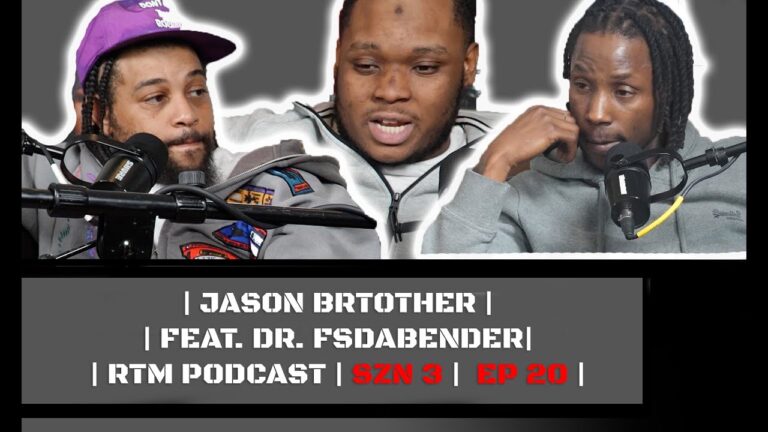


| JASON BRTOTHER | FEAT. DR. FSDABENDER| | RTM PODCAST | SZN 3 | EP 20 |
Growing up in North Philly's project housing shaped their worldview, with influential grandmothers who taught them early hustle and survival. "My grandma was the first person that passed me my first brown paper bag full of money," Teef reveals, highlighting how family dynamics in their communities often defied conventional expectations.
What sets this discussion apart is its focus on growth and responsibility. Rather than glorifying their pasts, both artists speak candidly about wanting better for the generation coming up behind them. "We want to get the youngest to the part of life where they get to start enjoying life," they emphasize, acknowledging that their own paths were marked by losses that could have been avoided.
The conversation takes a powerful turn when addressing "survivor's remorse"—the complex emotions that come with achieving success while watching peers fall to violence or incarceration. FS Bender, who describes himself as "one of the last men standing," shares the emotional burden of moving forward while honoring those who didn't make it.
Beyond the serious moments, their personalities shine through during playful debates about hip-hop legends and music preferences, revealing the cultural knowledge that informs their artistry. They also push back against being labeled simply as "drill rappers," insisting on defining their own sound: "I'm from Philly, I rep 234. I ain't no fucking drill rapper, that's some Chicago shit."
Share, like, subscribe, and comment on this episode that bridges generations, offering wisdom for anyone navigating difficult circumstances while pursuing their dreams. The real ones always find a way forward.Show More

Now Playing
| JASON BRTOTHER | FEAT. DR. FSDABENDER| | RTM PODCAST | SZN 3 | EP 20 |
The raw streets of Philadelphia have birthed countless stories, but ...
The raw streets of Philadelphia have birthed countless stories, but few are told with the honesty and perspective offered by Easy Money Teef and FS Bender. In this gripping conversation, ...these two rising artists—often called "the leaders of the YNs"—open up about their journey from neighborhood conflicts to music careers while carrying the weight of lost friends and opportunities.
Growing up in North Philly's project housing shaped their worldview, with influential grandmothers who taught them early hustle and survival. "My grandma was the first person that passed me my first brown paper bag full of money," Teef reveals, highlighting how family dynamics in their communities often defied conventional expectations.
What sets this discussion apart is its focus on growth and responsibility. Rather than glorifying their pasts, both artists speak candidly about wanting better for the generation coming up behind them. "We want to get the youngest to the part of life where they get to start enjoying life," they emphasize, acknowledging that their own paths were marked by losses that could have been avoided.
The conversation takes a powerful turn when addressing "survivor's remorse"—the complex emotions that come with achieving success while watching peers fall to violence or incarceration. FS Bender, who describes himself as "one of the last men standing," shares the emotional burden of moving forward while honoring those who didn't make it.
Beyond the serious moments, their personalities shine through during playful debates about hip-hop legends and music preferences, revealing the cultural knowledge that informs their artistry. They also push back against being labeled simply as "drill rappers," insisting on defining their own sound: "I'm from Philly, I rep 234. I ain't no fucking drill rapper, that's some Chicago shit."
Share, like, subscribe, and comment on this episode that bridges generations, offering wisdom for anyone navigating difficult circumstances while pursuing their dreams. The real ones always find a way forward.Show More
Growing up in North Philly's project housing shaped their worldview, with influential grandmothers who taught them early hustle and survival. "My grandma was the first person that passed me my first brown paper bag full of money," Teef reveals, highlighting how family dynamics in their communities often defied conventional expectations.
What sets this discussion apart is its focus on growth and responsibility. Rather than glorifying their pasts, both artists speak candidly about wanting better for the generation coming up behind them. "We want to get the youngest to the part of life where they get to start enjoying life," they emphasize, acknowledging that their own paths were marked by losses that could have been avoided.
The conversation takes a powerful turn when addressing "survivor's remorse"—the complex emotions that come with achieving success while watching peers fall to violence or incarceration. FS Bender, who describes himself as "one of the last men standing," shares the emotional burden of moving forward while honoring those who didn't make it.
Beyond the serious moments, their personalities shine through during playful debates about hip-hop legends and music preferences, revealing the cultural knowledge that informs their artistry. They also push back against being labeled simply as "drill rappers," insisting on defining their own sound: "I'm from Philly, I rep 234. I ain't no fucking drill rapper, that's some Chicago shit."
Share, like, subscribe, and comment on this episode that bridges generations, offering wisdom for anyone navigating difficult circumstances while pursuing their dreams. The real ones always find a way forward.Show More

Now Playing
BIGGER THAN THE PROGRAM | FEAT. HOOD TALIP | RTM PODCAST | SZN 3 | EP 18 |
Hood Tali steps into the Realer The Most Podcast studio for a ...
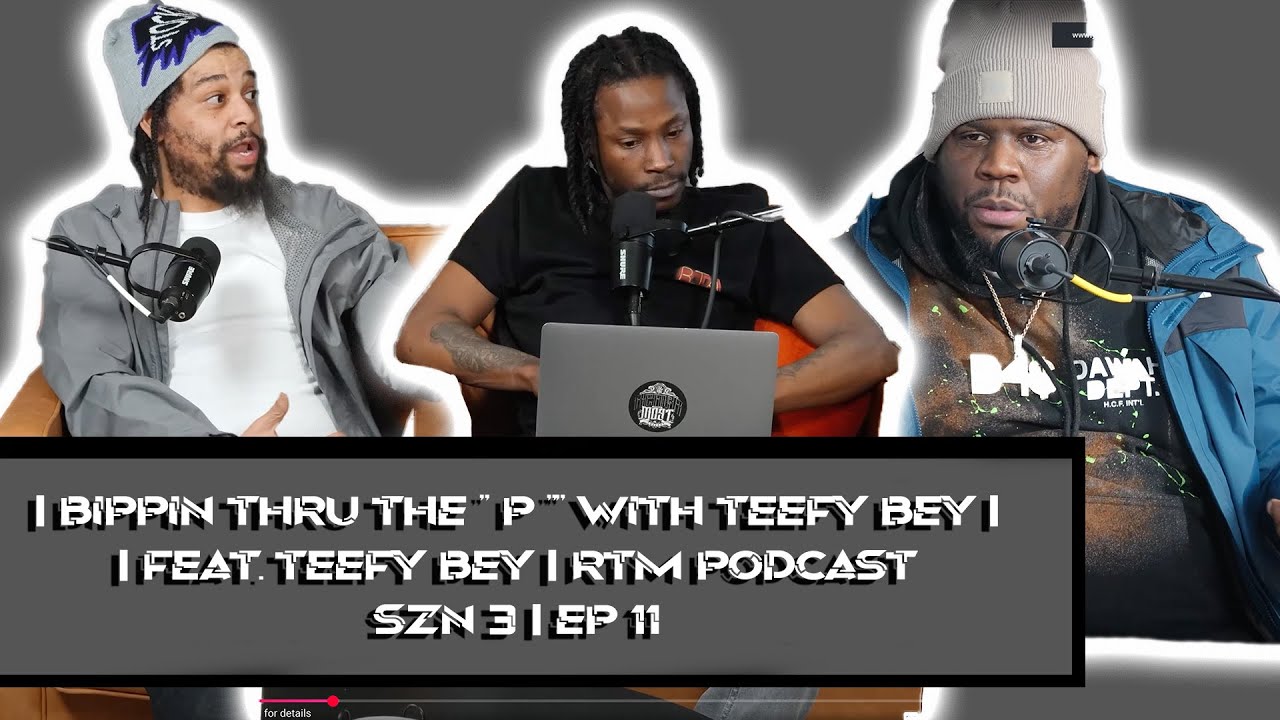
Hood Tali steps into the Realer The Most Podcast studio for a refreshingly candid conversation that shatters expectations. The Philadelphia artist – typically known for his energetic street presence ...– reveals himself as a calculated strategist with business acumen that belies his years.
"I'm going to do it, but I'm doing it how I want to do it," Tally declares, summarizing his philosophy toward building a music career that serves him rather than the other way around. This approach becomes evident as he shares how he recorded approximately 50 songs before ever dropping his first video, demonstrating a patient quality-over-quantity mindset rarely associated with emerging artists. His background growing up between West Philly and Germantown, with early education at the discipline-focused Harambee Institute, clearly shaped this methodical approach.
What truly captivates is Tally's shrewd navigation of the music business. Despite his rising profile, he reveals he's largely avoided entertaining label offers, understanding that leverage is everything in negotiations. "I ain't even really allow nobody to offer me no bread for real, for real," he explains, showcasing remarkable restraint in an industry where many artists rush into potentially restrictive deals. Meanwhile, he's quietly expanded his reach beyond Philadelphia, building a substantial fanbase in Chicago – a city he casually mentions living in, much to his interviewers' surprise.
Beyond the business talk, we get glimpses of the person behind the persona – from his close relationship with his mother who raised him young while introducing him to artists like Amerie and Mary J. Blige, to his plans for a more melodic EP showcasing his versatility. Hood Tally emerges not as the impulsive figure some might expect, but as a thoughtful artist building infrastructure and positioning himself for sustainable success while proudly representing Philadelphia.
Ready to see the calculated mind behind one of Philly's most magnetic new voices? This episode pulls back the curtain on an artist determined to succeed on his own terms. Subscribe now and join the conversation.Show More
"I'm going to do it, but I'm doing it how I want to do it," Tally declares, summarizing his philosophy toward building a music career that serves him rather than the other way around. This approach becomes evident as he shares how he recorded approximately 50 songs before ever dropping his first video, demonstrating a patient quality-over-quantity mindset rarely associated with emerging artists. His background growing up between West Philly and Germantown, with early education at the discipline-focused Harambee Institute, clearly shaped this methodical approach.
What truly captivates is Tally's shrewd navigation of the music business. Despite his rising profile, he reveals he's largely avoided entertaining label offers, understanding that leverage is everything in negotiations. "I ain't even really allow nobody to offer me no bread for real, for real," he explains, showcasing remarkable restraint in an industry where many artists rush into potentially restrictive deals. Meanwhile, he's quietly expanded his reach beyond Philadelphia, building a substantial fanbase in Chicago – a city he casually mentions living in, much to his interviewers' surprise.
Beyond the business talk, we get glimpses of the person behind the persona – from his close relationship with his mother who raised him young while introducing him to artists like Amerie and Mary J. Blige, to his plans for a more melodic EP showcasing his versatility. Hood Tally emerges not as the impulsive figure some might expect, but as a thoughtful artist building infrastructure and positioning himself for sustainable success while proudly representing Philadelphia.
Ready to see the calculated mind behind one of Philly's most magnetic new voices? This episode pulls back the curtain on an artist determined to succeed on his own terms. Subscribe now and join the conversation.Show More

Now Playing
Bippin' Through the P wit Teefy Bey RTM Podcast | Szn 3 | Ep 11
In one of the most revealing conversations about Philadelphia's ...
In one of the most revealing conversations about Philadelphia's hip-hop history, South Philly native Teef pulls back the curtain on the legendary figures, untold stories, and raw realities that shaped ...the city's music scene over multiple generations.
Growing up in an area locals call "The P," Teef had a front-row seat to the evolution of Philly hip-hop, from the street hustlers who influenced the culture to witnessing Beanie Sigel's career-launching battle at a neighborhood pool hall. "The hip-hop guys were getting it from them guys," he explains, connecting the dots between South Philly's street legends and the rappers who would put the city on the map.
Teef's journey from street hustler to music entrepreneur unfolds as he recounts founding Do For Self Entertainment with Meek Mill's endorsement. His raw storytelling brings to life the highs of developing artists like Nizzy and the devastating lows of facing incarceration just as his label gained momentum. The conversation takes an emotional turn as he discusses losing his son while imprisoned and finding strength through the support of fellow inmates.
What makes this episode extraordinary is how Teef weaves his personal story through the larger tapestry of Philadelphia's hip-hop lineage. From the DVD era to YouTube fame, from Major Figures to the emergence of Meek Mill, his firsthand accounts preserve crucial history that might otherwise be forgotten. For anyone who appreciates authentic voices in hip-hop, this conversation is an essential document of a city whose contributions to the culture deserve their proper recognition.
Connect with Teef on Instagram to hear his latest music including "Tears on the Pavement" featuring Philly legend Kenzo, or reach out about collaboration opportunities with one of the most respected voices in Philadelphia's hip-hop community.Show More
Growing up in an area locals call "The P," Teef had a front-row seat to the evolution of Philly hip-hop, from the street hustlers who influenced the culture to witnessing Beanie Sigel's career-launching battle at a neighborhood pool hall. "The hip-hop guys were getting it from them guys," he explains, connecting the dots between South Philly's street legends and the rappers who would put the city on the map.
Teef's journey from street hustler to music entrepreneur unfolds as he recounts founding Do For Self Entertainment with Meek Mill's endorsement. His raw storytelling brings to life the highs of developing artists like Nizzy and the devastating lows of facing incarceration just as his label gained momentum. The conversation takes an emotional turn as he discusses losing his son while imprisoned and finding strength through the support of fellow inmates.
What makes this episode extraordinary is how Teef weaves his personal story through the larger tapestry of Philadelphia's hip-hop lineage. From the DVD era to YouTube fame, from Major Figures to the emergence of Meek Mill, his firsthand accounts preserve crucial history that might otherwise be forgotten. For anyone who appreciates authentic voices in hip-hop, this conversation is an essential document of a city whose contributions to the culture deserve their proper recognition.
Connect with Teef on Instagram to hear his latest music including "Tears on the Pavement" featuring Philly legend Kenzo, or reach out about collaboration opportunities with one of the most respected voices in Philadelphia's hip-hop community.Show More

Now Playing
The Marathon ends feat. Smart Guy RTM PODCAST SZN 3 EP 7
# The Power of Thought: How Your Mind Shapes Your Reality In a recent ...
# The Power of Thought: How Your Mind Shapes Your Reality
In a recent and powerful episode of "The Realer Than Most" podcast featuring Smart Guy, listeners were given a masterclass ...in how our thoughts shape our reality and determine our success. The conversation explored the deep connection between thought, feeling, action, and manifestation – providing a roadmap for those seeking to break free from limiting beliefs and create meaningful change in their lives and communities.
The episode began with Smart Guy sharing a profound story about a guru meditating in a cave, battling demons that constantly attacked him. The guru's breakthrough came when he stopped fighting these demons and instead remained still. His powerful realization: the less he fought back, the weaker the demons became. This metaphor brilliantly illustrates how our internal struggles often grow stronger when we actively resist them, but begin to lose power when we practice stillness and mindfulness.
Smart Guy explained that these "demons" represent our negative thoughts and emotions residing in the subconscious mind, with the cave symbolizing our mind itself. Through meditation and conscious awareness, we can weaken these negative influences rather than empowering them through resistance. "How you think creates how you feel. How you feel becomes an emotion, that emotion becomes a vibration. That vibration becomes a magnet that attracts things to you," he explained, offering a practical understanding of manifestation principles.
The conversation also delved into the crucial distinction between deeds and intentions. Smart Guy emphasized that in Islam and in life generally, performing the right actions with incorrect intentions nullifies their benefit. This insight applies directly to our thought processes as well – positive thinking without the right intention behind it won't manifest desired results. This explains why some people can speak positively yet still experience negative outcomes.
Perhaps most compelling was the discussion about empowerment through economic independence. Smart Guy detailed a comprehensive business model centered around community-owned delis, explaining how a single well-run establishment can generate upwards of $2.4 million annually. This economic blueprint offers a practical alternative to illegal activities, providing a path to legitimate wealth building within urban communities. The vision extends beyond mere profit, incorporating spaces for prayer and community gathering alongside business operations.
The episode culminated with Smart Guy outlining a powerful 12-month plan for community transformation, including concepts like the "negative speak fast" (avoiding negative language for 30 days), meditation practices, and self-defense training. This holistic approach addresses mental, spiritual, and physical dimensions of personal and community development. His financial formula for generational wealth – "living expenses times four, times twelve, times one hundred" – provides a clear target for financial freedom.
What makes this episode particularly valuable is its blend of spiritual wisdom, practical business advice, and community-centered solutions. The conversation transcends typical self-help rhetoric by connecting individual mindset changes to broader community transformation. As Smart Guy powerfully stated, "Allah doesn't work for us, he works within us" – a reminder that the power for change already exists within each person, waiting to be activated through conscious intention and consistent action.
http://Www.Realerthanmostpodcast.comShow More
In a recent and powerful episode of "The Realer Than Most" podcast featuring Smart Guy, listeners were given a masterclass ...in how our thoughts shape our reality and determine our success. The conversation explored the deep connection between thought, feeling, action, and manifestation – providing a roadmap for those seeking to break free from limiting beliefs and create meaningful change in their lives and communities.
The episode began with Smart Guy sharing a profound story about a guru meditating in a cave, battling demons that constantly attacked him. The guru's breakthrough came when he stopped fighting these demons and instead remained still. His powerful realization: the less he fought back, the weaker the demons became. This metaphor brilliantly illustrates how our internal struggles often grow stronger when we actively resist them, but begin to lose power when we practice stillness and mindfulness.
Smart Guy explained that these "demons" represent our negative thoughts and emotions residing in the subconscious mind, with the cave symbolizing our mind itself. Through meditation and conscious awareness, we can weaken these negative influences rather than empowering them through resistance. "How you think creates how you feel. How you feel becomes an emotion, that emotion becomes a vibration. That vibration becomes a magnet that attracts things to you," he explained, offering a practical understanding of manifestation principles.
The conversation also delved into the crucial distinction between deeds and intentions. Smart Guy emphasized that in Islam and in life generally, performing the right actions with incorrect intentions nullifies their benefit. This insight applies directly to our thought processes as well – positive thinking without the right intention behind it won't manifest desired results. This explains why some people can speak positively yet still experience negative outcomes.
Perhaps most compelling was the discussion about empowerment through economic independence. Smart Guy detailed a comprehensive business model centered around community-owned delis, explaining how a single well-run establishment can generate upwards of $2.4 million annually. This economic blueprint offers a practical alternative to illegal activities, providing a path to legitimate wealth building within urban communities. The vision extends beyond mere profit, incorporating spaces for prayer and community gathering alongside business operations.
The episode culminated with Smart Guy outlining a powerful 12-month plan for community transformation, including concepts like the "negative speak fast" (avoiding negative language for 30 days), meditation practices, and self-defense training. This holistic approach addresses mental, spiritual, and physical dimensions of personal and community development. His financial formula for generational wealth – "living expenses times four, times twelve, times one hundred" – provides a clear target for financial freedom.
What makes this episode particularly valuable is its blend of spiritual wisdom, practical business advice, and community-centered solutions. The conversation transcends typical self-help rhetoric by connecting individual mindset changes to broader community transformation. As Smart Guy powerfully stated, "Allah doesn't work for us, he works within us" – a reminder that the power for change already exists within each person, waiting to be activated through conscious intention and consistent action.
http://Www.Realerthanmostpodcast.comShow More